
Architect vs Interior Designer: Which Professional Do You Need?
When planning a home or commercial space renovation, one of the earliest decisions involves determining whether you need an architect, an interior designer, or both. While these professions collaborate frequently and share some overlapping skills, they serve fundamentally different purposes. Understanding these distinctions helps ensure you engage the right professional for your specific project needs.
What Interior Designers Do
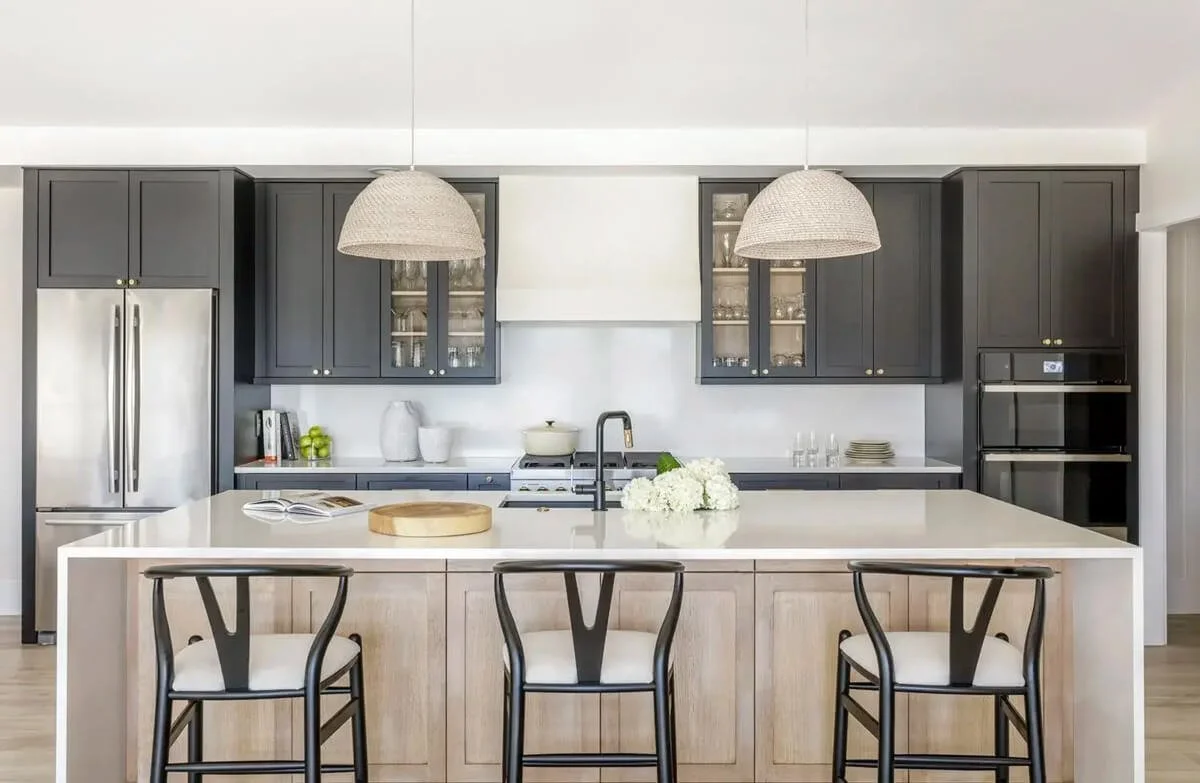
Interior designers focus primarily on the aesthetic and functional aspects of interior spaces without changing the structural elements. Their work centers around what the industry calls the "Three Fs": Finishes, Fixtures, and Furnishings.
Finishes include materials like flooring, paint colors, wallcoverings, countertop surfaces, and tile selections. Fixtures encompass lighting, plumbing fixtures, hardware, and built-in elements like cabinetry. Furnishings cover movable items—sofas, tables, artwork, accessories, and decorative elements that complete a space.
Interior designers excel at creating cohesive design visions that integrate these elements into unified compositions. They maintain relationships with trade vendors, access specialized products unavailable to the general public, and provide trade discounts that can offset design fees. They handle purchasing logistics, coordinate deliveries, and often manage installation.
The key distinction: interior design work typically doesn't require building permits because it doesn't involve structural modifications or changes to building systems.
What Architects Do
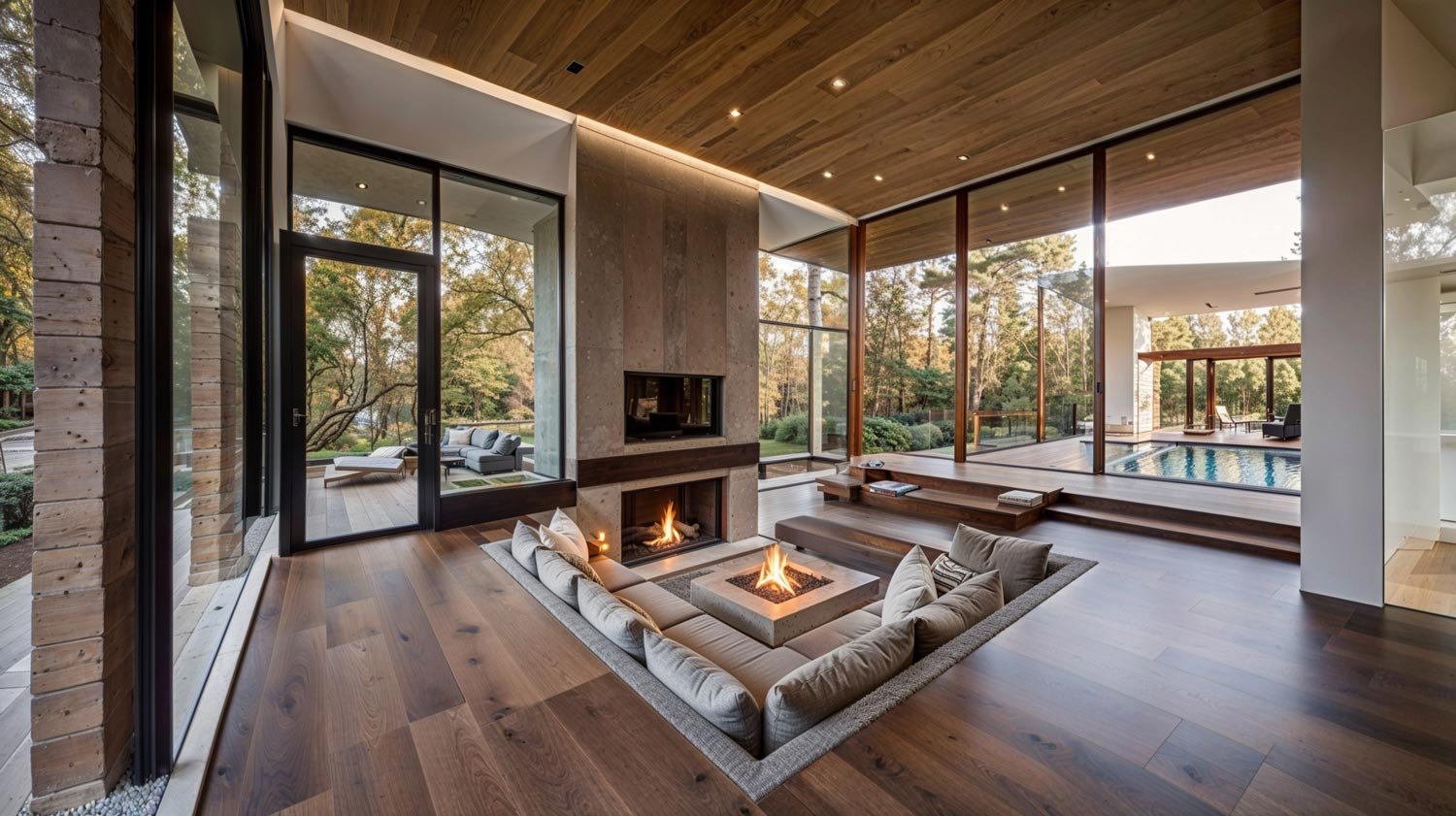
Architects address the structural and spatial organization of buildings. Their work involves modifying load-bearing walls, changing floor plans, adding square footage through additions, designing new buildings, and coordinating mechanical, electrical, plumbing, and structural engineering systems.
Architects are trained to understand how spaces function, how people move through buildings, how natural light affects environments, and how structural systems support loads. They consider building code compliance, accessibility requirements, energy efficiency, and constructability. They create construction documents that contractors use to build or modify structures.
In Florida, architects must hold professional licenses issued by the state, demonstrating they've completed accredited education, passed rigorous examinations, and fulfilled experience requirements. This licensure reflects the public safety implications of their work—poorly designed structures can fail catastrophically.
The defining characteristic: architectural work typically requires building permits because it involves changes to a building's structure, systems, or footprint.
When You Need an Interior Designer
Consider engaging an interior designer when you're satisfied with your space's layout and structure but want to improve its appearance, functionality, or ambiance. Common scenarios include:
Cosmetic renovations where walls, doors, and windows remain in their current locations but you want updated finishes—new flooring, fresh paint, modern light fixtures, or contemporary countertops.
Furnishing new or existing spaces when you need help selecting furniture, artwork, window treatments, and accessories that work together cohesively.
Kitchen or bathroom updates that keep the existing layout but replace cabinets, countertops, fixtures, and finishes. If you're not moving plumbing locations or walls, this often falls within interior design scope.
Creating cohesive design schemes for spaces that feel disjointed or lack a clear aesthetic direction. Interior designers excel at creating unified visions across multiple rooms.
Accessing trade resources for custom furniture, specialty fabrics, unique lighting, or high-end finishes that aren't available through retail channels.
Interior design makes sense when the phrase "I like the space, but it needs something" describes your situation. The bones are good; the presentation needs work.
When You Need an Architect
Architectural services become necessary when you want to change how spaces are organized, add square footage, or modify structural or building system elements. Common situations include:
Removing or moving walls to create open floor plans, enlarge rooms, or improve traffic flow. Even non-load-bearing wall removal typically requires permits and construction documents.
Additions and expansions of any kind—extra bedrooms, enlarged kitchens, sunrooms, garages, or second-story additions. New construction always requires architectural involvement.
Significant renovations involving plumbing relocations, HVAC system modifications, electrical service upgrades, or structural alterations. These require coordination with engineers and detailed construction documents.
New construction projects whether residential custom homes or commercial buildings. Florida law mandates architect involvement for most commercial buildings and larger residential projects.
Historic property modifications particularly in designated historic districts where Certificate of Appropriateness approvals require design professional documentation.
Coastal or flood-zone construction where elevation requirements, hurricane-resistant design, and specialized foundation systems necessitate engineering coordination.
Complex waterproofing situations like deck-over-living-space details, shower pan configurations, or building envelope repairs that require technical understanding beyond finishes.
Architectural engagement makes sense when you can complete the sentence "I wish this space could..." with anything involving structural changes, layout modifications, or building system alterations.
When You Need Both
Many projects benefit from both architectural and interior design services, either sequentially or concurrently. This integrated approach often produces the best results because it addresses both spatial function and aesthetic refinement.
Major renovations typically start with architectural planning to resolve layout, structural, and systems issues, then transition to interior design for finishes, fixtures, and furnishings. The architect establishes the framework; the interior designer refines the experience.
New construction projects definitely benefit from both. Architects design the building structure and layout while interior designers develop finish schedules, select fixtures, and plan furnishings. This collaboration ensures the architecture and interiors work together cohesively from the start.
Commercial projects like restaurants, offices, or retail spaces need architectural expertise for code compliance, accessibility, and building systems alongside interior design for brand expression, customer experience, and functional workspace planning.
Whole-house renovations where some areas require structural work while others need primarily cosmetic updates benefit from comprehensive architectural and interior design services that ensure consistency throughout.
Many architecture firms—including those offering integrated architecture and interior design services—provide both disciplines under one roof, which streamlines coordination and ensures cohesive results.

The Gray Areas
Some projects fall into ambiguous territory where the distinction becomes less clear. Consider these scenarios:
Kitchen renovations might involve only new cabinets and countertops (interior design) or might include removing walls, relocating plumbing, and adding windows (architecture). The scope determines which professional you need.
Bathroom remodels similarly range from simple fixture and finish updates to complete replanning involving plumbing relocations, waterproofing systems, and structural modifications.
Built-in elements like custom shelving, window seats, or paneling might constitute interior design in some contexts but require architectural detailing when integrated with structural elements.
When you're uncertain which professional your project requires, the most practical approach involves scheduling a consultation with a firm offering both services. They can assess your situation and recommend appropriate scope.
Florida-Specific Considerations
Florida's regulatory framework influences when architectural involvement becomes mandatory rather than optional. State law requires licensed architect involvement for:
Commercial buildings of any size
Multi-family residential buildings (three or more units)
Residential projects over 5,000 square feet
Projects in flood zones requiring elevated construction
Historic properties requiring preservation approvals
Even when not legally mandated, architectural services often prove valuable for navigating Florida's specific requirements around hurricane resistance, coastal construction, flood elevation, and moisture management.
Interior design services in Florida don't require state licensure, though many interior designers hold voluntary credentials through professional organizations. This doesn't diminish their expertise—it simply reflects that interior design work doesn't involve the same public safety implications as structural modifications.
Cost Considerations
Fee structures differ between architects and interior designers, though both typically base compensation on project scope and complexity.
Architectural fees generally calculate as percentages of construction cost (typically 6-12% for projects of average complexity) or as fixed fees for specific deliverables. These fees cover design, construction documentation, and often construction administration services.
Interior design fees vary more widely depending on service models. Some designers charge hourly rates, others work on fixed fees, some take percentages of furnishings purchases. Many offer tiered service packages that let clients select appropriate service levels.
When both professionals are needed, total design fees reflect the combined scope. However, comprehensive service often costs less than engaging professionals separately because it reduces coordination time and redundant work.

Making the Decision
Start by defining what you want to change. Walk through your space and identify specific issues:
If your list focuses on colors, finishes, furniture, and styling, you likely need interior design.
If your list includes moving walls, changing layouts, or adding space, you need architecture.
If your list combines both types of changes, you need both professionals.
Consider your budget. If resources are limited, address structural and functional issues first through architectural services, then phase in interior design work as budget allows. Getting the bones right matters more than immediate finish perfection.
Understand permitting requirements. Contact your local building department to determine whether your intended changes require permits. If permits are necessary, architectural involvement becomes essential regardless of other factors.
Trust the consultation process. Most architecture and interior design firms offer initial consultations that help clarify which services your project needs. These conversations provide valuable guidance even if you're still deciding whether to proceed.
The goal is matching professional services to actual project requirements rather than assuming either profession universally provides the better solution. Different projects need different expertise—sometimes architectural, sometimes interior design, often both.