
How to Select an Architect for Your Commercial Building Project in Florida
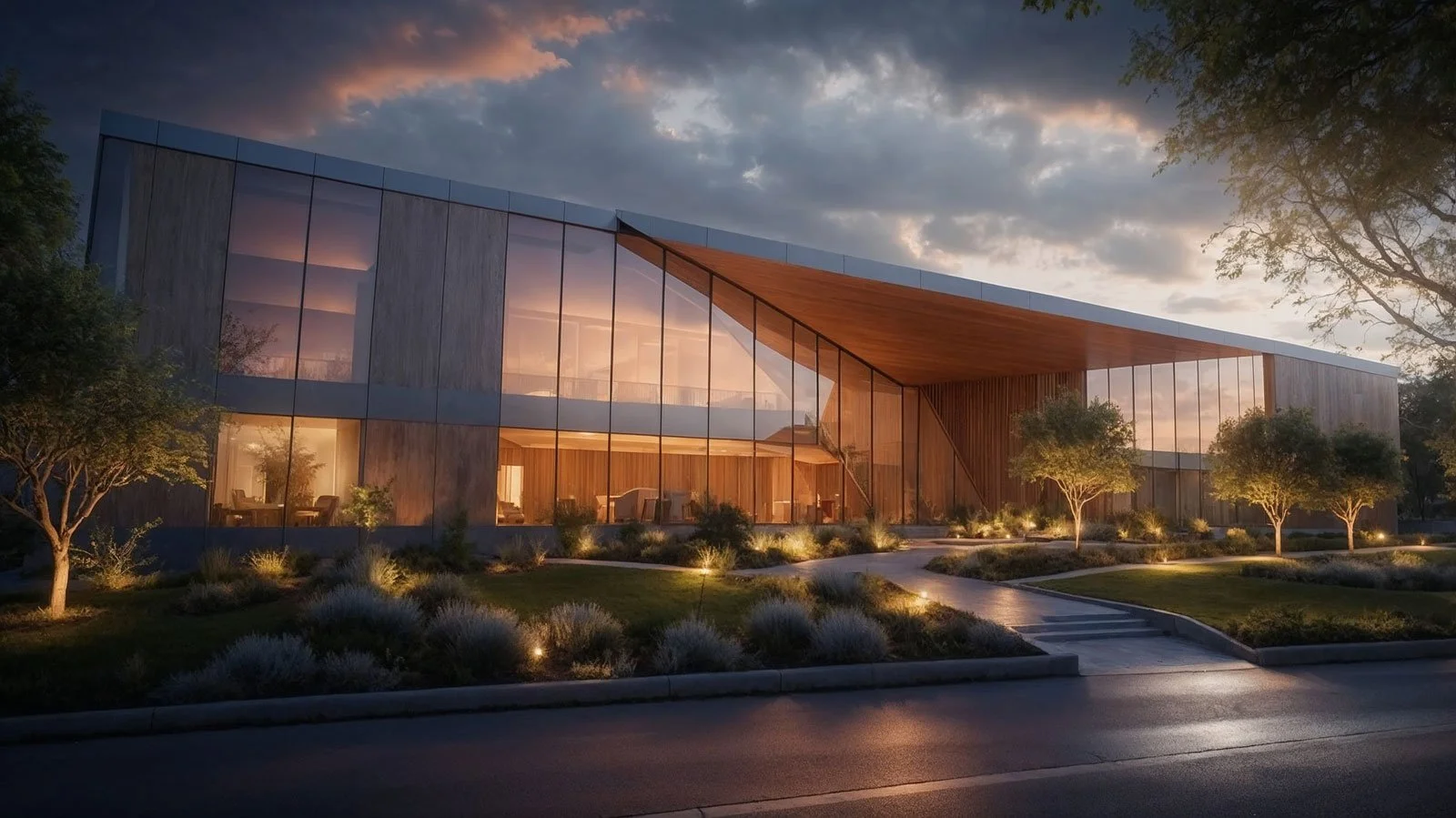
Selecting an architect for a commercial building project involves evaluating factors that extend beyond portfolio aesthetics and initial cost estimates. The right architectural partnership influences project outcomes through design quality, regulatory compliance, cost management, and construction coordination. For commercial projects in Florida, several region-specific considerations add additional layers to this decision.
Assess Experience with Similar Building Types
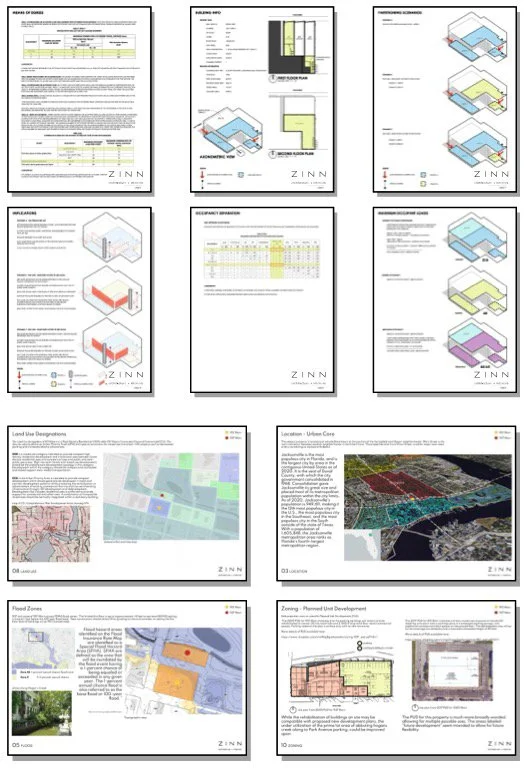
feasibility is extremely local
Commercial architecture encompasses diverse building types—office buildings, retail centers, industrial facilities, restaurants, medical offices, multifamily housing—each with distinct functional requirements and regulatory considerations. An architect's experience with projects similar to yours matters more than general commercial experience.
Request examples of completed projects that match your building type, scale, and complexity. Ask specific questions about challenges encountered and how they were resolved. An architect experienced with retail design may lack the specialized knowledge required for medical office buildings, where different code requirements, equipment planning, and user flow patterns apply.
Understand Florida Building Code Expertise
Florida operates under the Florida Building Code, which incorporates the International Building Code with significant state amendments addressing hurricane resistance, flood protection, and energy efficiency in subtropical climates. The code includes specific requirements that differ from other states.
Architects practicing regularly in Florida should demonstrate fluency with these requirements and their practical application. Ask how they approach code compliance for projects in coastal high-hazard areas, what strategies they use for flood-zone construction, and how they integrate hurricane-resistant design without compromising aesthetics or budget.
Evaluate Local Permitting Knowledge
Permitting processes vary significantly across Florida jurisdictions. Miami-Dade and Broward counties maintain separate building codes with additional requirements. Coastal communities often add supplementary regulations for coastal construction control lines and environmental protection. Historic districts impose preservation guidelines that affect renovation and new construction.
An architect familiar with your specific jurisdiction's permitting process can navigate these requirements more efficiently. Ask about their experience with your local building department, typical permitting timelines they've encountered, and how they handle plan review comments and revisions.
Review Contractor Coordination Experience
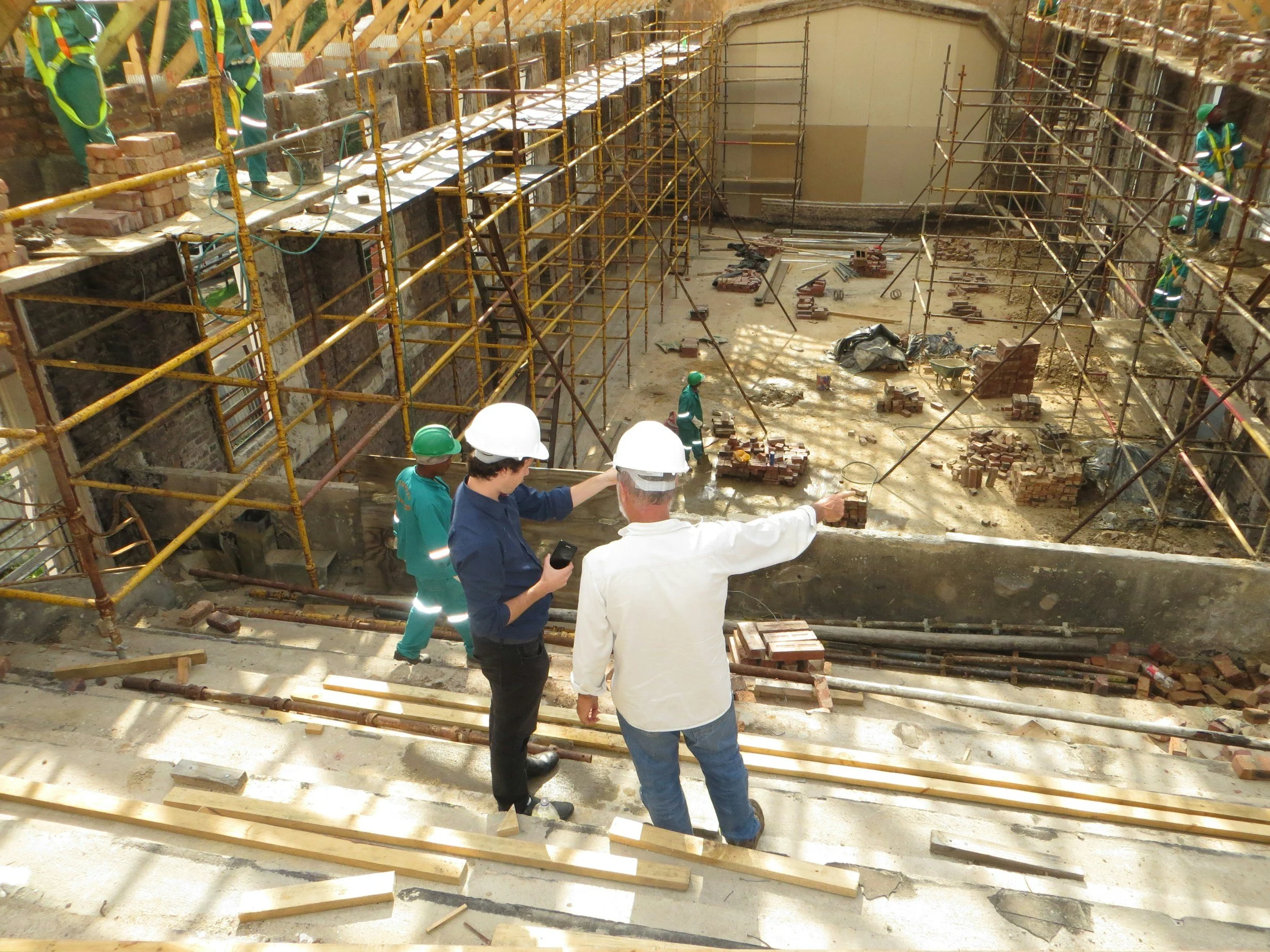
Commercial projects require coordination between architects, engineers, contractors, and specialty consultants. The architect's role extends beyond design to include contractor selection support, construction document preparation, submittal review, and construction administration.
Evaluate the architect's approach to contractor coordination and problem-solving during construction. Ask about their process for responding to RFIs (requests for information), handling field conditions that differ from design assumptions, and managing change orders.

Consider Engineering Coordination
Most commercial projects require structural, mechanical, electrical, and plumbing engineering. Some architects employ in-house engineers; others coordinate external consultants. Either approach can work well, but understanding the coordination structure helps set expectations.
Ask who will be responsible for engineering coordination, how conflicts between architectural and engineering designs are resolved, and whether engineering fees are included in the architect's proposal or billed separately. Clarify the process for addressing constructability issues that emerge during design development.
Examine Construction Cost Management
Architects influence project costs through material selections, structural system choices, mechanical system efficiency, and design complexity. While contractors provide the actual construction cost, architects make decisions that establish the baseline cost parameters.
Ask how the architect approaches cost estimating during design phases, what tools or consultants they use for cost validation, and how they handle situations where design aspirations exceed budget reality. Request examples of projects that came in at or under budget and how they achieved cost control.
Assess Communication and Responsiveness
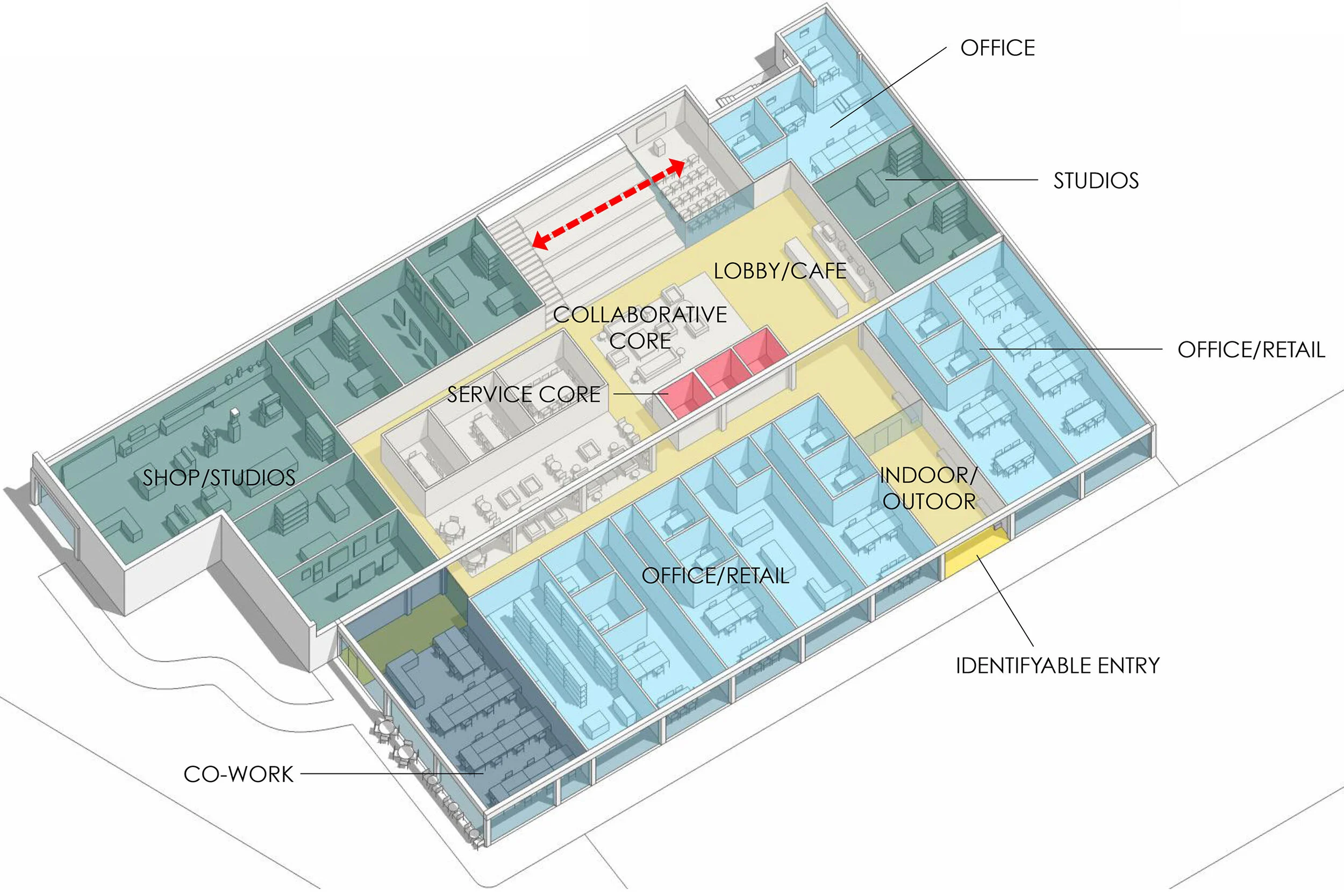
Commercial projects involve numerous stakeholders—owners, investors, lenders, contractors, tenants, and regulatory agencies. The architect must communicate effectively across these diverse audiences while maintaining project momentum.
During initial meetings, evaluate the architect's communication style, responsiveness, and ability to explain technical concepts clearly. Consider whether they listen carefully to your requirements, ask clarifying questions, and offer insights rather than simply agreeing with your initial ideas.
Review Contract Terms and Fee Structure
Architectural fees for commercial projects typically range from 5% to 15% of construction cost, varying by project complexity, services included, and local market conditions. Understand exactly what services the fee covers and what costs are additional.
Review the proposed contract structure carefully. Pay particular attention to the Scope of Work, additional services fees, ownership of documents, and liability limitations. Consider having your attorney review the contract before signing.

Evaluate Timeline Realism
Commercial projects operate under business pressures that often prioritize speed. While expedited schedules are sometimes necessary, unrealistic timelines create quality problems and increase costs through rushed decision-making and incomplete coordination.
Ask the architect for a realistic schedule estimate including design phases, permitting time, and construction duration. Compare their timeline to what other architects propose. Be cautious of estimates that seem significantly faster than others unless the architect can explain specifically how they will achieve acceleration.
Check References Thoroughly
Request references from recent commercial clients with projects similar to yours. Ask specific questions: Did the project meet budget expectations? How did the architect handle unexpected problems? Would they hire this architect again? What could have been better?
Also ask for contractor references and building officials who have reviewed their projects. These perspectives reveal how the architect performs under construction pressure and whether their documents are well-coordinated and code-compliant.
Consider Long-Term Building Performance
Good commercial architecture considers lifecycle costs, maintenance requirements, and operational efficiency beyond initial construction. Florida's climate creates specific challenges for building performance, including HVAC efficiency in high humidity, UV degradation of exterior finishes, and moisture management.
Evaluate the architect's attention to long-term performance and maintenance considerations. Ask about their approach to material durability, energy efficiency, systems accessibility for maintenance, and designing for future flexibility as business needs change.
The Selection Process
The most successful commercial projects typically result from thoughtful architect selection based on relevant experience, demonstrated competence, compatible communication styles, and realistic cost and schedule expectations. Taking time to evaluate these factors before signing a contract prevents problems that are difficult and expensive to resolve later.
The goal is finding an architect whose expertise, approach, and working style align with your project's specific requirements and your organization's decision-making culture.