

Pre-sale Services — Free for Real Estate Professionals
"uncertainty is the enemy of prosperity"
Despite planning, financial preparation, and plenty of vision, buyers are often not sure how to actually utilize a building or lot. The buying process gets emotional and deals are stymied by the unknowns.
"Will our equipment fit?"
"I heard there is a flood plane around here somewhere?"
"What about wetlands? ...Is the lot even buildable?”
"How much should we budget for renovations?”
“How long will it take?”
“Do we need Accessible Restrooms?
“What is our maximum buildable area for this lot?”

Buyer uncertainty is killing your commercial deals.
That's where we come in. We provide free Pre-Sale Evaluations that answer the tough feasibility questions your buyers need resolved—helping you close more commercial transactions. Below are examples of how we support your deals.
Why Commercial Brokers Partner with Us
Commercial deals die from complexity. Your buyers want to know if a property works for their business before they commit—and you need answers fast.
When your restaurateur client asks, "Can I convert this retail space to a full-service restaurant?" or your investor asks, "How much will it cost to bring this warehouse up to office standards?"—you can't afford to guess. Wrong answers lose deals.
The Questions That Kill Commercial Deals
Your clients expect you to advise them on technical feasibility:
Use Conversion Feasibility: Can this building be converted from one use to another? What regulatory hurdles exist?
Code Compliance Gaps: What upgrades are required to meet current building codes, ADA requirements, fire codes, and life safety standards?
Tenant Improvement Costs: How much will it cost to adapt this space to a tenant's operational needs?
Building System Capacity: Can the existing HVAC, plumbing, electrical, and structural systems support the intended use?
Site Development Potential: How much additional building area can this lot accommodate? Where can parking and loading areas be located?
Timeline and Permitting: How long will approvals take? What agencies are involved?
These questions determine whether your deal closes or dies. We provide the answers.
What This Means for Your Business
The analysis we provide—feasibility studies, site analysis, code review, engineering coordination, cost estimating—typically costs $2,000 to $5,000+. We give it to your clients free because it helps you close deals.
Here's the value to you: When your client asks a make-or-break feasibility question, you don't have to say "I'm not sure, you should probably hire an architect to look at that." You say, "Let me get you an answer"—and you call us. Your client gets professional insight. You keep the deal moving. You close the transaction.
How This Helps You Close Commercial Deals
Keep Deals Alive When Buyers Get Nervous
You've got a medical practice client interested in a former retail space for a clinic. Location is perfect, price is right—but they're worried about ADA compliance, medical gas installation, and HVAC capacity. Without answers, they walk.
That's when you call us. We evaluate the space, tell them what's required and what it costs. Suddenly your client has confidence—and you've got a signed lease.
Protect Your Commission and Your Reputation
Here's a disaster scenario: You close a deal. Three months later, your buyer discovers their intended use requires a zoning variance that may not be approved. They're facing massive delays and potential deal failure. They blame you.
Our pre-sale evaluations prevent this nightmare. We surface zoning issues, code requirements, and cost surprises before contracts are signed. Your client negotiates the right price, budgets accurately, and knows exactly what they're buying. You close with confidence, not crossed fingers.
Stand Out in a Competitive Market
Most commercial brokers show properties and hope their clients figure out the feasibility questions on their own. You're different: You provide immediate access to architectural expertise that answers the hard questions.
When other brokers are saying "You'll need to hire professionals to evaluate that," you're saying "I already had our architect review it—here's what's possible and what it costs."
That's why clients choose you. That's why they refer you. That's why they come back.
Pre-Sale Services We Provide
[Images: Zoning maps with land use designations, 3D architectural floor plans, documents with charts, group discussing blueprints, construction cost bar chart]
Feasibility Studies
Evaluating site conditions, spatial constraints, environmental impact, and other factors.
How this helps you sell/lease: When your client asks "Can this property actually work for my business?" you need a definitive answer. We assess:
Use Compatibility: Does the existing building configuration align with the tenant's operational requirements (production flow, customer access, storage needs, employee facilities)?
Spatial Capacity: Will the building accommodate the required program (sales floor, kitchen, office areas, storage, mechanical rooms, restrooms)?
Expansion Potential: If the business grows, can the building or site accommodate future expansion?
Adaptive Reuse Viability: Can this building be economically converted from its current use to the proposed use?
Jacksonville-specific value: Jacksonville's commercial inventory includes diverse building types—mid-century retail centers, converted industrial buildings in urban core neighborhoods, new suburban office parks, historic downtown structures, riverfront warehouses. Each building type presents unique feasibility considerations. We help buyers understand whether a property's bones align with their vision—or whether they're buying a costly renovation project disguised as an opportunity.
Common commercial feasibility scenarios:
Can this 8,000-square-foot retail building be converted to a restaurant with full kitchen and 150-seat dining capacity? (Requires analysis of plumbing capacity, grease trap requirements, exhaust system, parking count, and fire suppression)
Can this 15,000-square-foot warehouse support a brewery with taproom? (Requires analysis of loading access, floor loading capacity, ceiling height, utilities, zoning, and parking)
Can this vacant office building be converted to medical offices? (Requires analysis of ADA compliance, corridor widths, restroom count, HVAC zoning, parking, and medical gas infrastructure)
Site Analysis
Examining the physical characteristics and constraints of a site, including topography, access, utilities, and surrounding context.
How this helps you sell/lease: Your clients ask questions the MLS can't answer: "How much can I actually build on this lot?" "Where can loading docks go?" "Is there enough parking?" We provide the answers that move deals forward:
Development Capacity: Maximum buildable area after setbacks, buffers, parking, stormwater, and landscaping requirements
Parking and Loading: Required parking counts (by use type), loading dock feasibility, truck turning radii, delivery access
Access and Circulation: Ingress/egress points, traffic patterns, ADA-compliant paths of travel, pedestrian connections
Utilities: Water, sewer, electrical, gas, telecommunications capacity and connection points
Environmental Constraints: Wetlands, floodplains, contaminated soils, tree protection, stormwater management
Visibility and Exposure: Site lines from roadways, signage locations, building orientation for customer access
Jacksonville-specific value: Commercial sites in Jacksonville present unique challenges:
Urban Core Sites (Downtown, Brooklyn, Springfield): Constrained lots with limited parking, aging infrastructure, historic district regulations, competing pedestrian and vehicular access needs
Suburban Corridor Sites (Beach Boulevard, Southside Boulevard, Gate Parkway): High traffic volumes but strict access management, large parking requirements, extensive stormwater retention
Industrial Sites (Northside, Imeson, Airport area): Heavy truck access needs, rail siding potential, environmental contamination concerns (former industrial uses), proximity to residential buffers
Waterfront Sites (Riverwalk, Southbank, Beaches): Flood zone requirements, wetland buffers, coastal setbacks, public access easements
Example: A developer is evaluating a 1.5-acre lot on San Jose Boulevard for a 6,000-square-foot retail building. Our site analysis reveals that after meeting parking requirements (20 spaces), stormwater retention, building setbacks, and landscaping requirements, the site can support a 7,200-square-foot building—providing the buyer with accurate development capacity and potential upside.
Code and Regulatory Compliance
Researching and ensuring compliance with building codes, zoning regulations, and other legal requirements.
How this helps you sell/lease: Nothing kills commercial deals faster than discovering code problems after your client is emotionally committed. We research the regulations before they make an offer, so you know exactly what's required and what it costs:
Zoning Compliance:
Allowable uses (permitted by right vs. conditional use vs. prohibited)
Building size limits (floor area ratio, lot coverage, height restrictions)
Parking and loading requirements by use type
Setbacks and buffer requirements
Sign regulations (size, height, type, illumination)
Outdoor storage and display allowances
Building Code Compliance:
Occupancy classification (Assembly, Business, Mercantile, Industrial, etc.)
Fire resistance ratings (walls, floors, roofs)
Fire suppression systems (sprinklers, standpipes, fire alarms)
Means of egress (corridor widths, exit counts, travel distances, panic hardware)
Accessibility (ADA) requirements (parking, entrances, paths of travel, restrooms, signage)
Life Safety Systems:
Fire alarm and detection systems
Emergency lighting and exit signs
Smoke control and ventilation
Fire-rated assemblies and penetrations
Energy Code Compliance:
Insulation and window performance requirements
HVAC efficiency standards
Lighting power density limits
Jacksonville-specific value: Commercial projects in Jacksonville must comply with Florida Building Code (which incorporates International Building Code with Florida amendments), Jacksonville zoning ordinances, and when applicable, historic district regulations or downtown development standards. Requirements vary significantly based on:
Use Type: A restaurant faces far stricter code requirements than a general office due to occupant load, cooking equipment, and life safety concerns
Building Size: Larger buildings trigger sprinkler requirements, fire alarm systems, and stricter egress rules
Occupant Load: High-occupancy uses (assembly spaces, restaurants, theaters) face more stringent life safety requirements
Historic Status: Buildings in local or national historic districts face additional review and material requirements
Common code compliance scenarios we address:
If we convert this retail space to a restaurant, what fire suppression and exhaust systems are required? (Often $40,000-$80,000 in unanticipated costs)
Does this 12,000-square-foot office building require sprinklers? (Buildings over 12,000 SF typically do—significant cost)
Can this warehouse be converted to assembly use (brewery taproom) without major egress upgrades? (Depends on occupant load calculations and existing exit configuration)
What ADA upgrades are triggered if we renovate 40% of this building's value? (May require accessible entrance, restrooms, and path of travel—substantial cost)
Engineering Coordination
Collaborating with other consultants, such as structural engineers or mechanical engineers to assess any existing systems.
How this helps you sell/lease: When your client asks technical questions you can't answer ("Can this roof support rooftop units?" "Is the electrical service adequate?"), you need expert input fast. We coordinate with engineers to get answers that keep your deal moving:
Structural Engineering:
"Can this roof structure support rooftop HVAC equipment?"
"Can we remove this interior wall to create open office space?" (Load-bearing vs. non-load-bearing assessment)
"Can this floor slab support heavy equipment or warehouse racking loads?"
"What's the condition of this building's foundation? Are there visible structural deficiencies?"
Mechanical/Plumbing/Electrical (MEP) Engineering:
"Can the existing HVAC system handle increased occupancy or equipment loads?"
"Is the electrical service adequate for commercial kitchen equipment?"
"Can the plumbing system support a restaurant's grease trap and fixture count?"
"Is the building's natural gas service sufficient for commercial cooking equipment?"
Civil Engineering:
"Does this site have adequate stormwater capacity?"
"Can we add impervious surface (parking, building expansion) without triggering costly stormwater improvements?"
"What are the soil conditions? Will we need special foundations?"
Our role is to identify when specialized engineering input is needed and facilitate coordination so your buyers have complete feasibility information before closing.
Jacksonville-specific value: Older commercial buildings in Jacksonville often present MEP challenges that affect renovation costs:
Aging HVAC Systems: 1970s-1980s buildings often have undersized or failing air conditioning systems—critical in Florida's climate
Inadequate Electrical Service: Older buildings may have 200-400 amp service when modern commercial uses require 800-1200 amps
Outdated Plumbing: Cast iron waste piping common in older buildings frequently deteriorates and requires replacement
Structural Concerns: Coastal wind load requirements have increased over time; older buildings may require reinforcement for certain renovations
Example: A buyer is considering a 1970s office building for conversion to a commercial kitchen and food production facility. Our engineering coordination reveals that the building's electrical service (400 amps) is inadequate for commercial kitchen equipment (requiring 800+ amps), and the rooftop structure cannot support the necessary HVAC upgrades without reinforcement. These findings add $120,000 to the project budget—information the buyer needs before making an offer.
Cost Estimating
Generating preliminary construction budgets based on industry unit costs.
How this helps you sell/lease: The question that kills most commercial deals: "How much will the buildout cost?" When you can't provide a realistic number, your client walks away to "think about it." We provide construction budgets that give your client confidence to move forward:
Industry Unit Costs: Square foot costs by building type and quality level (based on national cost databases adjusted for Jacksonville market)
Local Market Data: Current Jacksonville construction costs, labor rates, and material pricing
Project Contingencies: Appropriate reserves for unforeseen conditions (typically 10-20% for renovations)
Code-Required Upgrades: Costs for fire suppression, accessibility improvements, life safety systems
MEP Systems: Realistic costs for HVAC, plumbing, electrical, and fire protection work
Tenant Improvement Assumptions: Costs for finishes, fixtures, and equipment based on use type
Our cost estimating approach:
We provide range estimates (not single numbers) to account for variables like finish quality and unforeseen conditions
We break down costs by major category (site work, building shell, MEP systems, interior finishes, specialized systems)
We identify major cost drivers (accessibility upgrades, fire suppression, HVAC replacement, structural reinforcement)
We benchmark costs against comparable local projects we've designed or observed in the market
Commercial cost estimating scenarios:
Scenario 1: Retail to Restaurant Conversion
Existing Condition: 3,500 SF retail space in shopping center
Proposed Use: Fast-casual restaurant with full kitchen
Key Cost Drivers: Commercial kitchen installation ($150,000-$200,000), exhaust hood and fire suppression ($40,000-$60,000), grease trap ($12,000-$18,000), ADA restroom upgrades ($25,000-$35,000), dining area finishes ($60,000-$85,000)
Total Estimated Budget: $325,000-$450,000 ($93-$129/SF)
Outcome: Buyer negotiates lower purchase price knowing tenant improvement costs
Scenario 2: Warehouse to Office Conversion
Existing Condition: 12,000 SF warehouse with minimal HVAC and open interior
Proposed Use: Professional office space with private offices and conference rooms
Key Cost Drivers: Full HVAC system installation ($180,000-$240,000), interior partitions and finishes ($240,000-$300,000), restroom upgrades ($60,000-$80,000), fire sprinkler system ($48,000-$60,000), electrical upgrades ($72,000-$96,000)
Total Estimated Budget: $750,000-$950,000 ($63-$79/SF)
Outcome: Buyer understands total project cost before committing
Scenario 3: New Commercial Building on Vacant Lot
Site: 0.75-acre lot zoned Community Commercial
Proposed Use: 8,000 SF office/retail building
Key Cost Drivers: Site development ($120,000-$160,000), building construction ($1,280,000-$1,520,000 at $160-$190/SF), parking and landscaping ($80,000-$100,000), impact fees ($32,000-$40,000)
Total Estimated Budget: $1,512,000-$1,820,000
Outcome: Buyer compares total project cost to purchasing existing building
What we don't provide:
Formal appraisals or market value opinions
Guaranteed maximum prices (those come from contractors during bidding)
Final design-level cost estimates (those require complete construction documents)
Our estimates are informed architectural opinions based on experience and market data, intended to guide decision-making during the pre-purchase phase. They provide the level of accuracy needed to evaluate deal viability—typically within 15-20% of eventual project costs.
Commercial Real Estate Professional Success Stories
Downtown Office Building Assessment
A commercial broker contacted us about a 22,000-square-foot office building his client was considering purchasing as an investment property. The building was 60% vacant, and the buyer wanted to understand what tenant improvement costs would be required to attract new tenants.
We conducted a building analysis and discovered several issues that would affect leasing competitiveness:
The HVAC system was original to the 1985 building and operating inefficiently
Restrooms were not fully ADA-compliant
The building lacked a fire sprinkler system (not required in 1985 but expected by modern tenants)
Electrical service was adequate but panel locations limited tenant suite flexibility
We provided a cost estimate for building-wide improvements ($380,000-$450,000) and typical tenant improvement costs ($35-$50 per square foot depending on tenant requirements).
The buyer used this information to:
Negotiate a $200,000 purchase price reduction
Budget appropriately for capital improvements
Set competitive rental rates that accounted for TI costs
Create a 5-year capital improvement plan
The property sold, and the buyer has since hired us to design tenant improvements for two new leases.
Industrial Building Conversion Feasibility
A tenant rep broker was working with a growing e-commerce company looking for 25,000 square feet of warehouse and office space. They'd identified a 1970s industrial building that was priced well but had concerns about:
Office space adequacy (only 2,000 SF currently)
Loading dock capacity (only one dock door)
Parking count (seemed insufficient for planned employee count)
Clear ceiling height (needed 18' minimum for racking)
We conducted a feasibility study and found:
The building could accommodate an additional 4,000 SF of office space through mezzanine construction without affecting warehouse capacity ($280,000-$340,000)
Two additional loading docks could be added on the side elevation ($85,000-$105,000)
Parking was deficient by 12 spaces, but the site had room for expansion ($36,000-$45,000)
Clear height was 16'-6", which would limit racking efficiency but could work with modified racking design
We provided a total improvement budget ($525,000-$650,000) and timeline (4-6 months including permitting). The tenant was able to:
Negotiate a tenant improvement allowance from the landlord
Make an informed decision about whether the building met their operational needs
Plan their move-in timeline realistically
The lease was executed, and we're now designing the tenant improvements.
Retail Center Expansion Analysis
A retail property owner contacted us about expanding a successful shopping center on a 3.2-acre site. Several tenants had expressed interest in additional space, but the owner wasn't sure how much additional building area the site could accommodate while meeting parking and code requirements.
We conducted a site analysis examining:
Current building area and parking count
Zoning requirements (setbacks, lot coverage, parking ratios, landscaping)
Stormwater capacity
Fire access and circulation
Our analysis revealed the site could accommodate:
6,400 SF of additional building area (bringing total to 24,000 SF)
Required parking increase from 88 spaces to 112 spaces (site could accommodate 118)
Stormwater improvements would be required ($45,000-$60,000)
Fire access would need minor reconfiguration
We provided:
Site plan concept showing expansion layout
Cost estimate for expansion ($1,024,000-$1,216,000 at $160-$190/SF building cost + site work)
Pro forma showing return on investment based on market rental rates
The owner moved forward with the expansion, and we designed the project. All expanded space was pre-leased before construction began.
The Process: How Commercial Pre-Sale Evaluations Work
1. Initial Contact
Contact us by phone (904-352-1203) or email (info@zinn.ai) with property and client information:
Property address or location
Property type (office, retail, industrial, mixed-use, vacant land, etc.)
Current use vs. proposed use
Your client's business type and operational requirements
Specific feasibility questions or concerns
Deal timeline (if time-sensitive)
You can also use our contact form to provide details.
2. Property Review & Research
We'll conduct preliminary research using available information:
Duval County Property Appraiser records
Jacksonville GIS mapping and zoning data
Building permits and inspection history
Flood maps and environmental databases
Utility availability maps
If a site visit is needed to assess building condition or spatial configuration, we'll coordinate with you for access.
3. Evaluation & Consultation
We'll compile findings and schedule a consultation (phone or in-person) to discuss:
Feasibility of proposed use
Key opportunities and constraints
Code and regulatory requirements
Preliminary cost estimates for required improvements
Timeline considerations (permitting, construction, occupancy)
Risk factors and decision-making considerations
This is a practical, conversational consultation focused on helping you advise your client—not a formal presentation with bound reports.
4. Follow-Up Support
We remain available for follow-up questions as the transaction progresses. If your client purchases or leases the property and moves forward with design and construction, we're ready to provide full architectural services. If the deal doesn't proceed, there's no obligation—we value the relationship and trust we've built regardless of outcome.
Frequently Asked Questions (Commercial Real Estate Professionals)
How quickly can you provide a commercial pre-sale evaluation?
Timeline depends on complexity:
Simple evaluations (vacant lot development capacity, basic use compatibility): 24-48 hours
Moderate complexity (tenant improvement feasibility, code compliance review): 3-5 business days
Complex evaluations (adaptive reuse, environmental constraints, multiple code issues): 5-10 business days
If your client is making a time-sensitive offer or has a due diligence deadline, let us know and we'll prioritize accordingly.
What information do you need to conduct an evaluation?
Minimum requirement: property address and proposed use.
Helpful additional information:
MLS listing or offering memorandum
Survey or site plan
Floor plans (if available)
Your client's business description and operational requirements
Specific questions they need answered
The more detail you provide, the more precise our evaluation can be.
Is this service really free for commercial evaluations too?
Yes, genuinely free. There's no invoice, no obligation to hire us for paid services, no expectation of future work. We provide commercial pre-sale evaluations for the same reason we provide residential ones—to support real estate professionals who are often the first point of contact for projects, and to build trusted partnerships that benefit everyone.
What if the evaluation reveals the property won't work for my client's intended use?
That's a successful outcome. Pre-sale evaluations exist to prevent bad decisions and wasted due diligence costs. If we determine a property isn't feasible for your client's use, we've saved them from a costly mistake—and preserved your professional relationship by providing honest, expert guidance.
Do you provide formal written reports?
We typically provide findings through consultation, supplemented with simple diagrams, annotated plans, or email summaries of key findings. Formal written feasibility reports are part of fee-based architectural services, but for pre-sale purposes, conversational consultation with documentation of key points is usually sufficient.
Can you help with properties outside Jacksonville/Duval County?
Yes, we work throughout Northeast Florida including St. Johns, Clay, Nassau, and Baker counties. Each jurisdiction has different codes and regulations, but we're experienced with all local agencies in our service area.
Do you coordinate with other consultants (engineers, environmental, surveyors)?
If our evaluation reveals the need for specialized input, we can provide referrals to trusted consultants. We don't pay for or coordinate those services on behalf of clients (that's the buyer's responsibility during due diligence), but we can guide you toward appropriate resources and help interpret their findings.
What if my client needs help after closing?
If your client purchases the property and decides to move forward with improvements, we provide full architectural services including:
Schematic design and space planning
Construction documents and permitting
Code compliance and agency coordination
Bidding and contractor selection assistance
Construction administration
We've successfully transitioned many pre-sale evaluations into full design projects.
Can you evaluate properties for investment buyers who plan to lease to tenants?
Absolutely. Investment buyers need to understand:
What tenant improvement costs they should budget for different tenant types
Whether the building's systems and configuration will attract quality tenants
What capital improvements should be made to maximize lease rates
How much rent they can achieve given market conditions and building quality
We help investment buyers make informed acquisition decisions and budget for capital improvements.
What if my client's project is highly specialized (medical, food service, manufacturing)?
We have experience with specialized commercial uses and understand their unique requirements:
Medical/Dental: Exam room layouts, ADA requirements, medical gas systems, HVAC filtration, radiation shielding
Food Service: Kitchen layouts, equipment capacity, exhaust systems, grease management, health department requirements
Manufacturing: Production flow, equipment loads, electrical capacity, ventilation, clear heights, loading access
If a project involves highly specialized systems (medical imaging, industrial processes, etc.), we coordinate with engineers who specialize in those areas.
pre-sale services
There are many questions to answer when evaluating a purchase decision. ZINN provides actionable information supported by research to make those decisions less daunting.
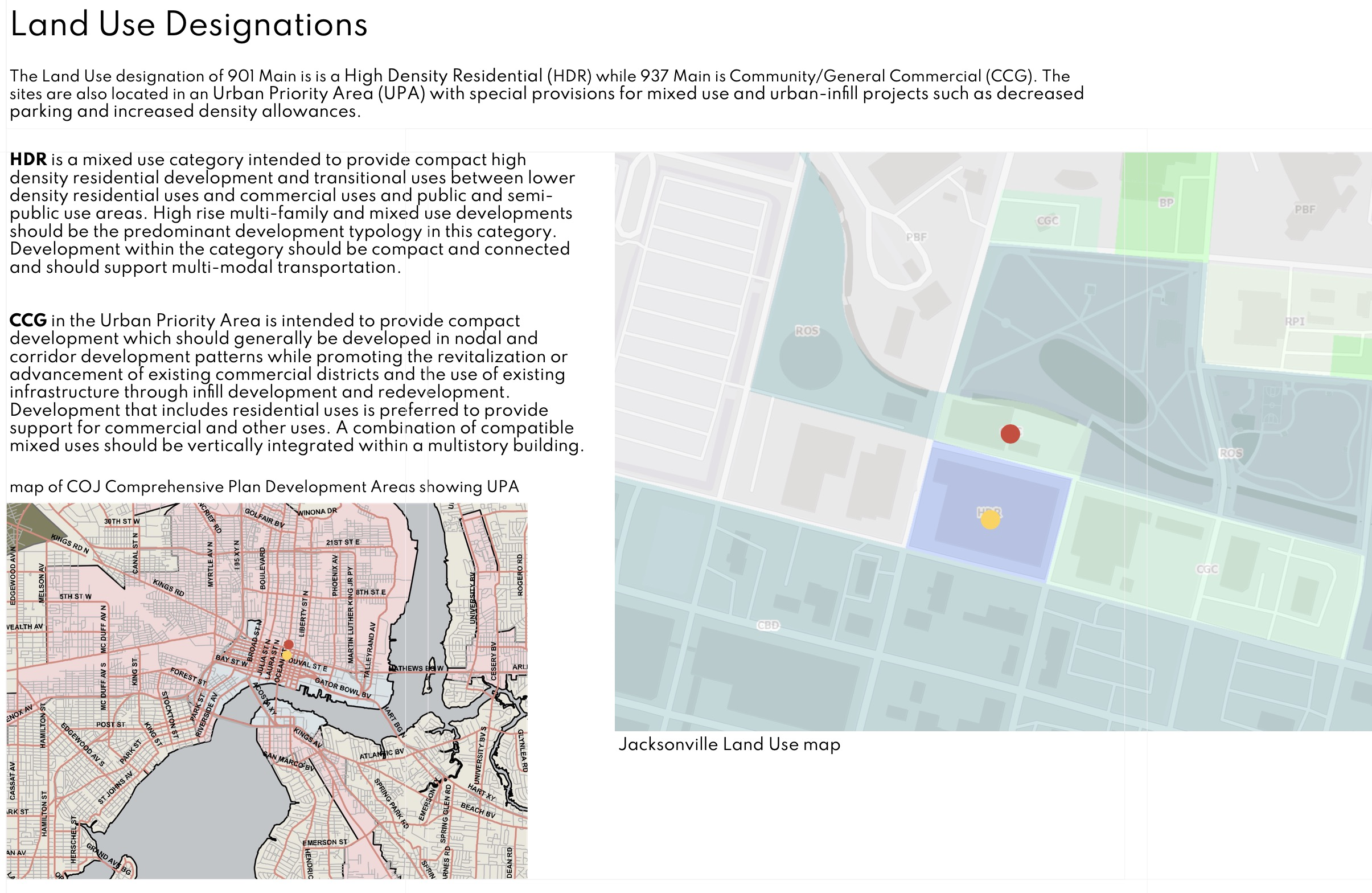




Feasibility Studies
Evaluating site conditions, spatial constraints, environmental impact, and other factors.
Site Analysis
Examining the physical characteristics and constraints of a site, including topography, access, utilities, and surrounding context.
Code and Regulatory Compliance
Researching and ensuring compliance with building codes, zoning regulations, and other legal requirements.
Engineering Coordination
Collaborating with other consultants, such as structural engineers or mechanical engineers to assess any existing systems.
Cost Estimating
Generating preliminary construction budgets based on industry unit costs.