
What is Design-Build / Why consider it for your construction project? An Architect’s Perspective
The most common way to include contractors in your project is through Design–Bid–Build. This project delivery method is where you design a project completely with your architect, then show the drawings to contractors, typically a pool of three who will competitively bid on the project. Though common, it’s not the only way and it may not be the best way to approach your project. This article summarizes how Design-Build is different and how it works in our market.*

A contractor is an important part of bringing your vision to reality.
The problem with Design-Bid-Build
With Design-Bid-Build, the architecture and engineering drawings are completely buttoned-up by the time the contractor gets their hands on it them. If the price of steel changed during the several months of design, or if a hurricane shoots the price of wood trusses skyward, or electrical panels all the sudden have a lead time of nine months because of a global pandemic… then the drawings will be out-of-step with the market in which they are to be constructed.
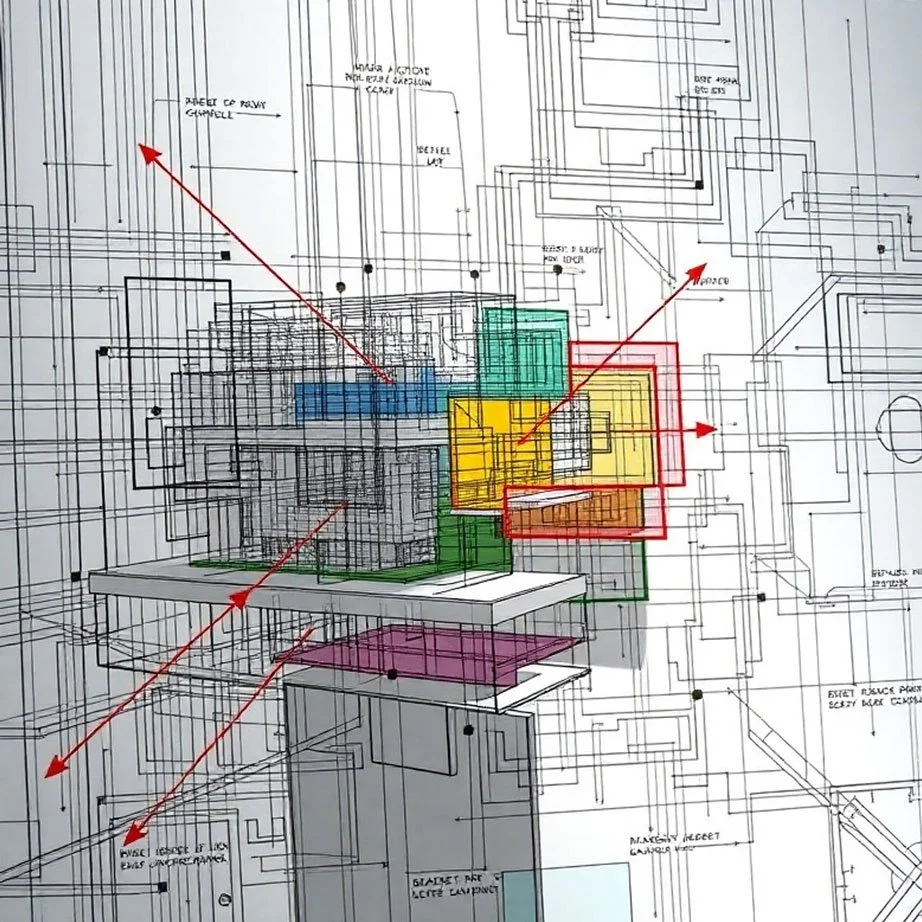
Changing highly-developed drawings is a challenge
What’s more challenging is that the drawings are intricately coordinated between the various engineering and architectural disciplines, making them very difficult to change.
Design-Build invites contractors to participate earlier
Design-Build integrates the contractor into the process much earlier. This early involvement fosters a deeper level of collaboration between the architect, contractor, and you, the owner.
Why is this collaboration so important?
Enhanced Communication: With the contractor involved from the outset, potential challenges related to constructability can be identified and addressed proactively.
Well-Planned Projects Lead to Timely Outcomes: While we don't believe in rushing the process, we do understand the importance of staying on schedule. Projects with thorough planning and comprehensive documentation, facilitated by early contractor involvement, tend to progress more smoothly and efficiently, minimizing costly and time-consuming rework in the field.
Cost Efficiency: Early contractor involvement allows for more accurate cost estimations and value engineering throughout the design process. This collaborative approach can help identify cost-saving opportunities without compromising the design intent.
Improved Quality: The collaborative nature of Design-Build fosters a shared sense of ownership and responsibility among the architect and contractor. This shared commitment to quality translates into a better-built project.
How does an architect fit into the section of a contractor?
While, we understand that the contractor plays a vital role in the success of any project, ZINN doesn't push particular contractors onto our clients. Instead, we've cultivated relationships with a diverse network of reputable contractors across various sectors and project scales.
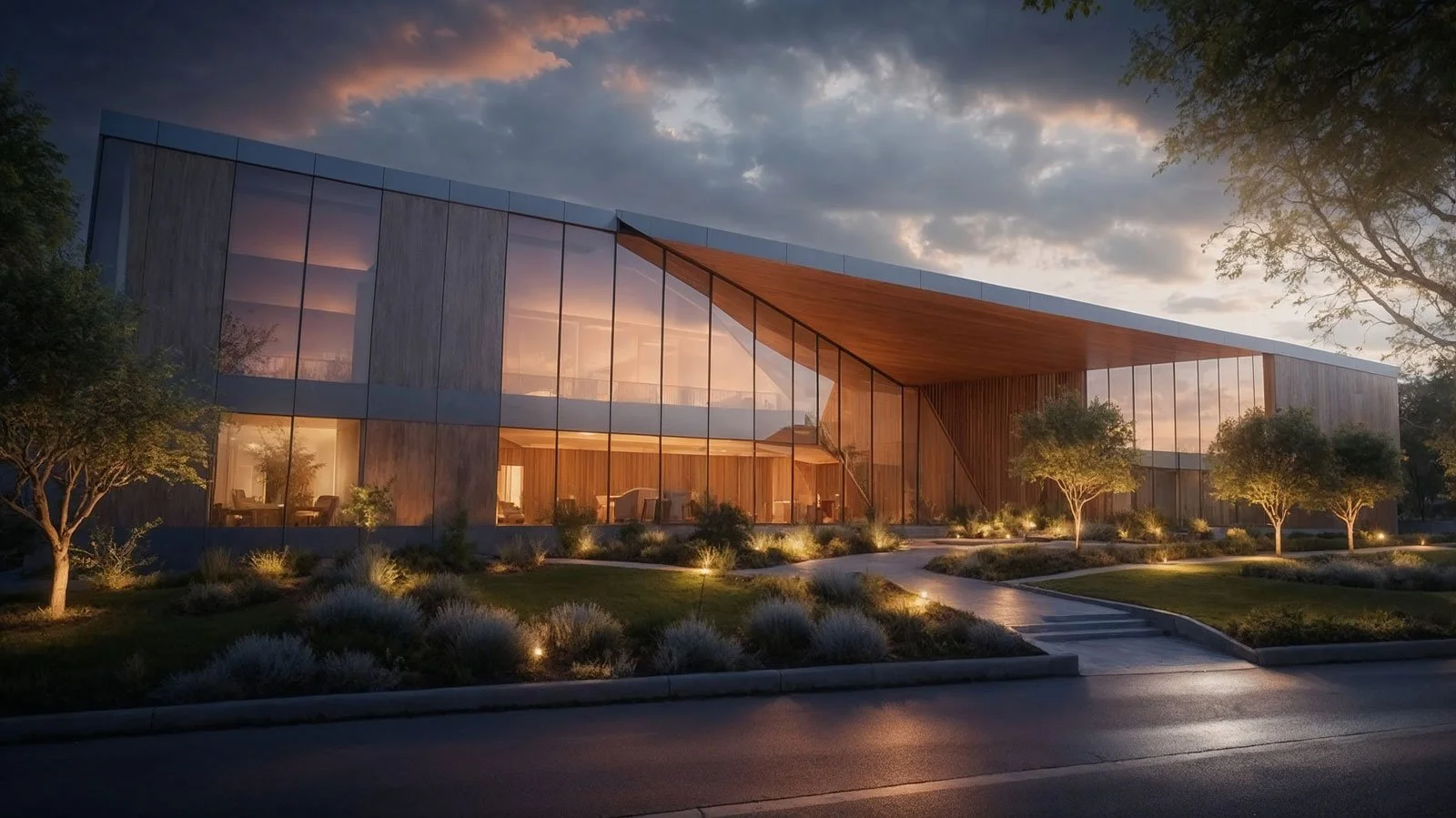
Shared ownership facilitates coordination
the right fit: Following the completion of the schematic design phase, we have a much clearer understanding of our clients' personalities, goals, and project specifics. This allows us to curate a pool of potential contractors who might be a good fit for their project.
meet and greet: We then assist our clients in the evaluation process, helping them conduct interviews and discuss the project in detail with each candidate. We act as a guide, ensuring our clients have the information they need to make an informed decision.
pre-con: To further solidify this collaborative partnership, we recommend a Pre-Construction Services Agreement between the owner and the chosen contractor. This agreement acknowledges the significant time and effort contractors invest in preparing accurate estimates. Unfortunately, contractors are often asked to provide extensive estimates without any guarantee of securing the project, leading to potentially compromised estimates and a lack of full engagement. A Pre-Construction Services Agreement demonstrates respect for the contractor's time and expertise, ensuring they are either compensated for their pre-construction work or awarded the project, ultimately contributing to a more successful project outcome.
At ZINN, we understand the apprehension that surrounds a construction project. We all know someone who has a horror story to share. Design-Build offers an alternative way to see your contractor that can lead to smoother projects, fewer surprises, and better results.
*Design-Build has many forms - here we focused on how it applies in our practice on high-end residential and small commercial projects.